
A water damage insurance claim goes better when you do things in a sensible order. A toilet supply line splits in a hall bathroom at 11 p.m., and the first hour decides how much you can document and how much damage spreads. This guide walks through that order.
It is a homeowner checklist, not legal or coverage advice. Your policy and your insurer decide what is covered, and a restoration company cannot change that.
Stop the source before anything else
Close the fixture shutoff valve, or the main valve if you cannot find the local one. Water that keeps running makes every later step bigger, including the claim. If you cannot stop it, call a plumber or your water provider. A plumber's note naming the failed part is useful claim paperwork, so ask for one.
Look at where the water is before you touch a switch. Once water is near outlets, the breaker box or a gas appliance, keep out of the room, and shut off power only from a panel you can reach without wading. Smelling gas or seeing sparks is a job for the utility or 911, ahead of your insurer or any contractor. Sewage means you stay out entirely and keep people and pets away.
Photograph and film before you move things
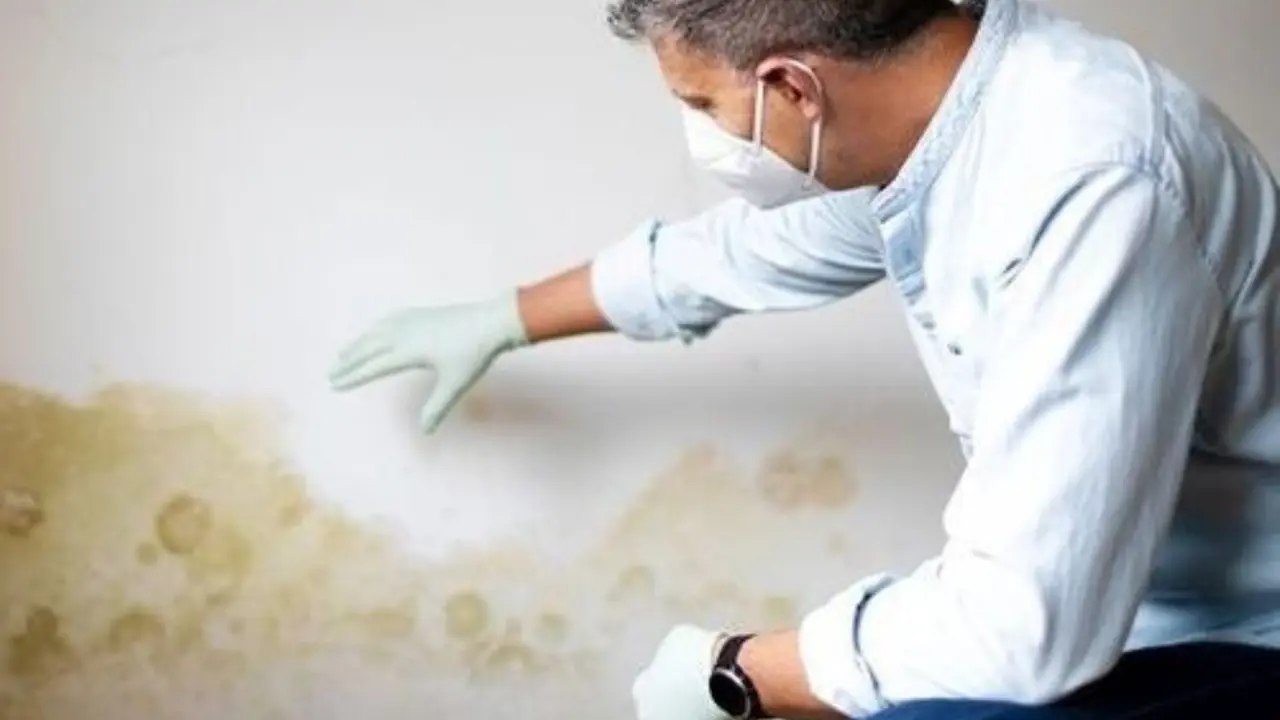
Take wide shots of each wet room, then close shots of the source, the wet walls, the floor and each damaged item. Add a slow video walk through with your voice naming what you see. Phone photos carry a timestamp, which helps the story hold together.
Then pick up what you must to prevent more harm, such as rugs, electronics and paper. The Department of Insurance guide says to make lists of damaged property and record brand and model numbers on appliances and electronics. Old receipts and photos help show age and price.
Need a hand with water or mold right now? Dispatch is open 24/7.
☎ Call (760) 769-1159Keep damaged items if you are told to
The Department of Insurance guide says not to discard damaged items until the adjuster says so. A soaked recliner takes space, but it is also evidence. Ask your insurer directly whether it wants to see items or accepts photos.
Carpet pad, drywall and insulation that are wet usually have to come out to dry the structure. Photograph them in place and cut away only what the drying plan requires. Keep a small labeled sample if the insurer asks.
The first 24 hours at a glance
These windows are a working guide, not a schedule anyone can promise. Your situation, the source and the access to your house will change them.
| Window | What to do | What to record |
|---|---|---|
| First few minutes | Stop the source. Check for electrical or gas danger from a safe spot. | Time you noticed it, which valve you closed |
| First hour | Wide and close photos, then video, before moving furniture. | Photo set of every wet room and the failed part |
| Hours 1 to 3 | Report the loss to your insurer and ask what it expects for emergency protection. Call a restoration dispatch line if water is still on floors. | Claim number, name of the person you spoke with, time |
| Hours 3 to 8 | Lift small items off wet floors, remove standing water, protect furniture legs with foil or blocks. | List of items moved, receipts for supplies |
| Hours 8 to 24 | Drying equipment placed and moisture mapped when a crew is on site. | First moisture readings, equipment list, written scope |
The paperwork a drying job can produce
A restoration crew documents what it finds and does. It uses moisture meters to read walls and floors, thermal imaging cameras to spot hidden wet areas, and a drying log that records readings each visit. It lists the air movers and LGR dehumidifiers placed and the materials removed.
That record shows the water was mapped and the drying measured. Ask whether the crew works to ANSI/IICRC S500, the published standard for water damage restoration. Services like emergency water removal and structural drying generate this kind of record.
Receipts, calls and copies
Save receipts for temporary protection, such as tarps, fans, a hotel room or meals. The Department of Insurance guide says to keep receipts for relocation costs and temporary repairs because you must account for them, and that your insurer may reimburse reasonable costs to protect the property. Check your own policy for the details.
Keep a simple call log with the date, time, name, what was said and what was promised. Keep copies of everything you send or receive. If you discover more damage later, report it to the insurer immediately, as the guide advises.
What a restoration company can and cannot do for your claim
A restoration company can document conditions, explain the scope and price before work starts, and provide itemized records and photos. It cannot negotiate your claim, decide coverage, or promise what your insurer will pay.
Written bids from licensed contractors, line by line, are also recommended by the Department of Insurance for structural repairs. Rebuilding after drying is a separate scope, which is where water damage repair begins.
Twentynine Palms local note: when many homes are hit at once
Reports on the 2014 flash flood in Twentynine Palms describe swift-water rescues of drivers on Adobe and Bagley Roads, a washed-out stretch of Larrea Road and at least 14 downed power poles. About 2,000 homes and businesses lost power. Charge your phone ahead of monsoon season and keep a battery light, because dark rooms make poor photographs and unsafe wiring checks.
A county Public Works notice on the July 2024 monsoon describes significant flooding and road and drainage damage in Zone 6, mostly around Twentynine Palms. When a storm affects many properties, getting through to an adjuster or contractor may take longer. Your dated photos and emergency steps then carry real weight, and homes in Landers or Morongo Valley face the same situation. Turn around, don't drown, if the road ahead is flooded.
Source type: Z107.7 reporting on the 2014 flash flood, plus a county Public Works notice posted on CEQAnet
Frequently asked questions
What should I do first if a storm floods my Twentynine Palms home and the power is out?
Stay out of standing water if you cannot tell where cords or panels are. Photograph from dry ground with a phone light, and call the utility or 911 for downed lines. Report the loss to your insurer when you safely can.
Do I need to call my insurer before a restoration company starts?
Many policies expect you to report water damage promptly and to protect the property, so a call to your insurer early is sensible. Ask what it requires for emergency steps. We can start drying work and document it, but we cannot speak for your insurer.
How long should I keep receipts and drying records?
Keep them at least until the claim is closed and repairs are finished, and ask your insurer whether it needs more. Store copies somewhere that does not depend on the wet house, such as cloud storage.
Does a drying log mean my claim will be paid?
No. A drying log shows what was found and done, but your insurer decides coverage under your policy. Think of it as clear evidence of the work, nothing more.
Talk it through with dispatch any hour of the day.
☎ Call (760) 769-1159